
1 year
60
Qualifications
English
Degree program presentation
Read more details

Master Director
Master Director
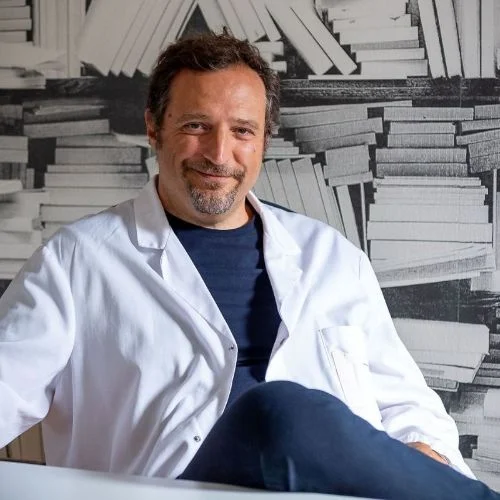
Professor Silvio Danese
Professor of Gastroenterology at Università Vita-Salute San Raffaele.
Director of the Department of Endoscopy and Gastroenterology at IRCCS Ospedale San Raffaele, Milan.
About us
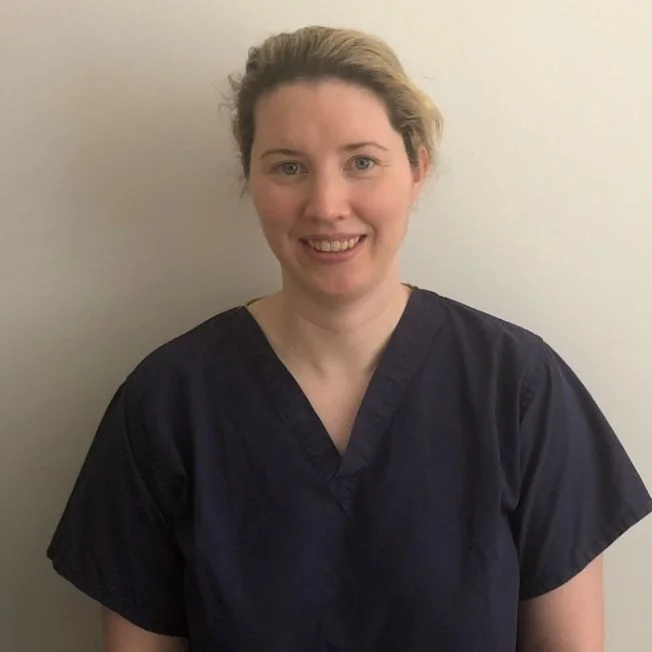
The Master’s Degree in Intestinal Ultrasound provided me with comprehensive theoretical knowledge and extensive hands-on experience, enabling me to progress from having no prior experience to confidently performing intestinal ultrasound independently. Performing more than 240 examinations during the observership, together with the guidance of highly experienced and supportive faculty, made this an exceptional learning experience. I particularly appreciated the opportunity to complete the entire programme within one year at a single centre and to earn a Master’s degree, which represents an important asset for future career development. I would highly recommend this programme to anyone wishing to develop advanced skills in intestinal ultrasound and integrate them into clinical practice.
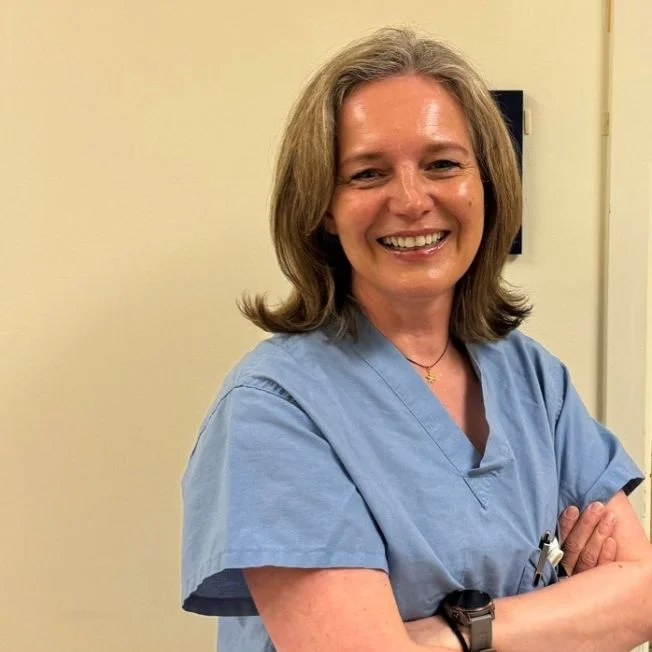
Ultrasound imaging of the bowel (POC BUS) is invaluable for diagnosing Inflammatory Bowel Disease, including Crohn's disease, Ulcerative Colitis, and Very Early Onset IBD in young children. It's non-invasive, offering a safe, radiation-free, and cost-effective alternative to CT or MRI. Patients appreciate its convenience, as it requires no anesthesia, bowel prep, or discomfort. In my practice area in Oregon, where access to medical care is limited, BUS allows for real-time disease assessment during clinic appointments, improving outcomes for pediatric patients.
I chose to pursue the Master in Bowel Ultrasound at UniSR for its unmatched expertise and commitment to advancing clinical care through research. UNiSR's reputation as a leader in gastrointestinal imaging, combined with hands-on training and exposure to complex cases, provides an ideal environment to master BUS implementation in clinical practice. With seasoned professionals as mentors, I'm confident in developing the skills needed to excel in this specialized area of diagnostic imaging.